Jisoo Addicted AI: How the Viral Dance Trend Works, and How to Join It the Right Way
Within days of Jisoo releasing "ADDICTED" — her dark dance-pop single with choreography by Leejung Lee — the dance performance video hit #1 on YouTube worldwide, and a second wave followed it: fans using photo-to-video AI to put themselves into the choreography from a single photo. This guide explains what actually happened, how the AI versions work, and how to make your own without landing in impersonation or copyright trouble.
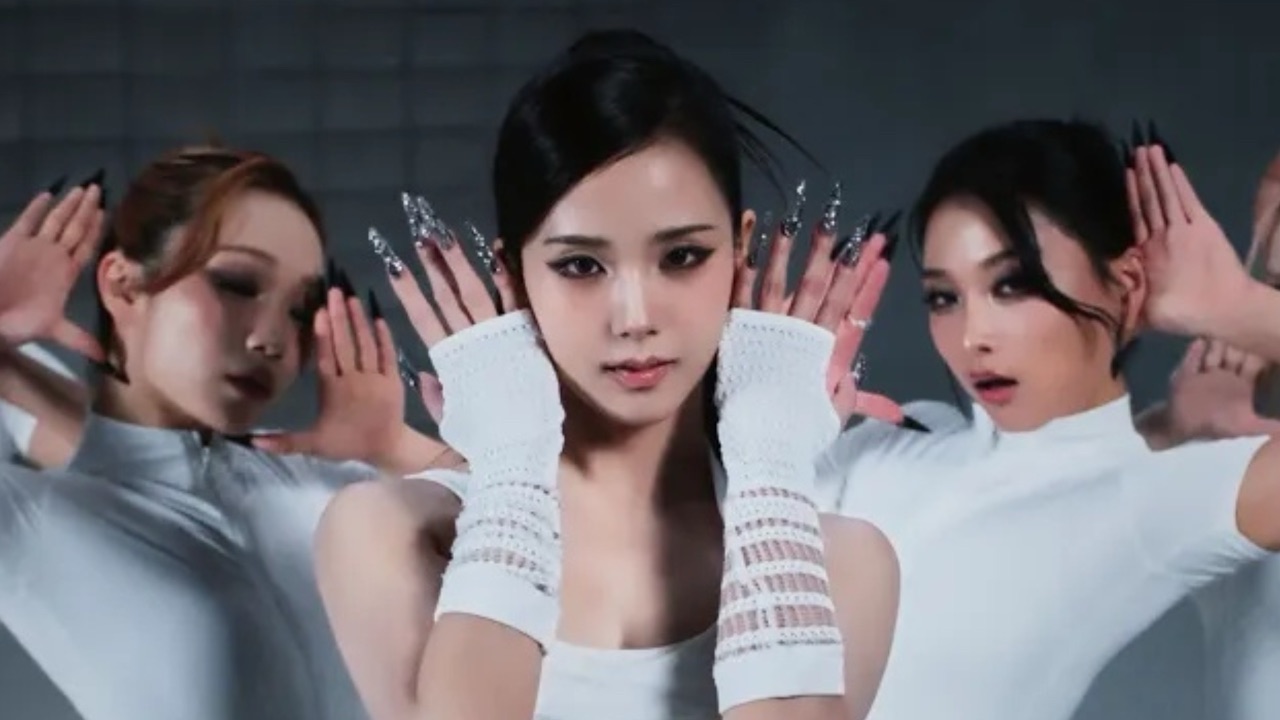
Dance-formation still from the ADDICTED promotions — the formation look that fan-made AI videos try to recreate. Image credit: BLISSOO.
I. What is the Jisoo Addicted AI trend?
It is two trends wearing one name. The first is human: "ADDICTED", Jisoo's second pre-release single ahead of her first full solo album, dropped on October 30, 2026 through her agency BLISSOO — a dark dance-pop cut that broke from her earlier solo style, with choreography built by Leejung Lee, the choreographer famous from Street Woman Fighter. The official dance performance video followed on November 5 and trended #1 on YouTube worldwide, appearing in the trending charts of 38 countries. Covers, challenges and duet edits multiplied on TikTok within hours.
The second trend is synthetic: fans noticed that a modern photo-to-video model, given one clear photo and a choreography prompt, produces a surprisingly watchable K-pop dance clip — and the "Addicted AI dance video" became a format of its own. You do not film anything. You supply a photo of a person (yourself, in the responsible version of this trend), describe the routine, and the model animates it to fit the trend's formats.
II. How the trend unfolded
Ten days took the song from release to worldwide #1 to an AI-video format. The timeline, condensed:
| Date (2026) | What happened |
|---|---|
| Oct 30 | "ADDICTED" released; dark dance-pop single, choreography by Leejung Lee |
| Oct 31 | Hallway duet clip with ROSÉ spreads; the "two people, one corridor" format is born |
| Nov 5 | Official dance performance video; #1 trending on YouTube worldwide, charts in 38 countries |
| Nov 5–7 | "Double the Addiction" duet edit with Leejung; first wave of fan AI dance videos appears |
| Nov 8 | Dance challenge reel on @blissoo_official; live ADDICTED stage on SBS Inkigayo |
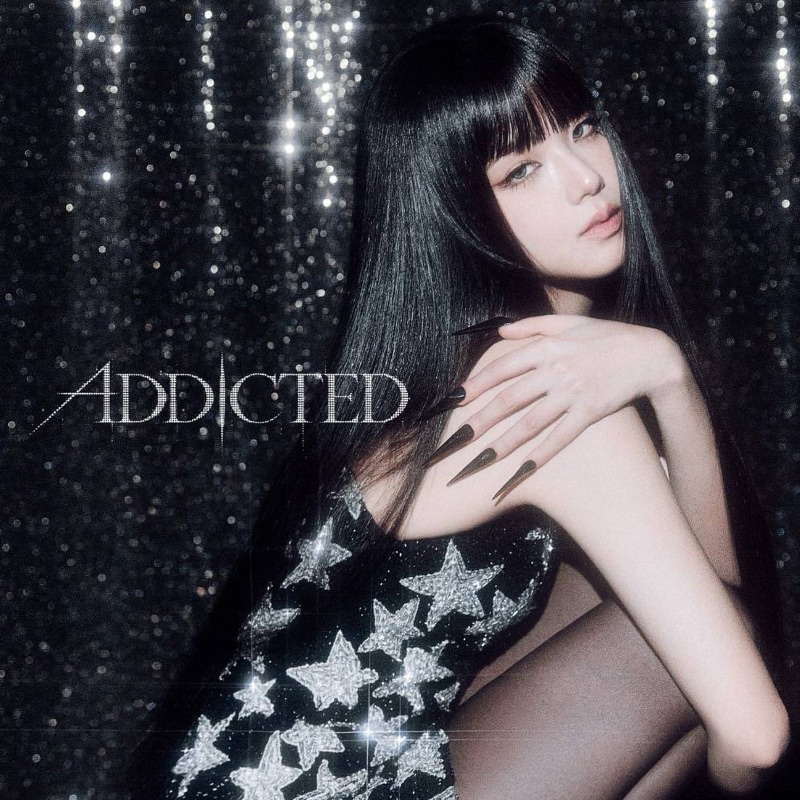
The ADDICTED era look — star-embellished black, long nails, sequin backdrop — that most AI recreations try to copy. Image credit: BLISSOO.
III. How the AI dance videos actually work
Every version of the trend runs the same pipeline: one photo, one motion prompt, one image-to-video generation. The photo supplies identity and wardrobe; the prompt supplies choreography, camera and mood; the model animates the person in the photo. Three formats dominate:
-
▶
The mirror solo
One dancer, medium-full shot, practice-room or hallway backdrop, looping eight-count choreography. The easiest format — one subject, one camera, no interaction.
-
▶
The hallway duet
The format the ROSÉ clip made famous: two dancers face each other in a narrow corridor. AI versions feed two photos and ask the model for mirrored choreography — twice the subjects, twice the failure rate, but the most shareable result.
-
▶
The challenge cam
Phone-camera framing, slight high angle, the hook move of the routine repeated twice. Built for the official challenge audio, so it slots straight into the trend feed.
IV. Make your own, step by step
-
1
Prepare the photo — of yourself
Full-body or three-quarter framing, limbs visible, even lighting, plain background. This is the single biggest quality factor: the model animates what it can see, and a cropped or dim photo produces a stiff dancer. If your photo needs cleanup, our image to image tool can relight or restyle it first — the star-dress look of the era is one prompt away if you want it.
-
2
Write the choreography prompt
Describe the routine like a director: which moves, which direction the body faces, what the camera does, what stays fixed. Keep it to one eight-count and say "loops smoothly". Names of real artists do not help the model — descriptions do.
-
3
Generate with an image-to-video model
On VidSeedance, run your still through image to video with Seedance 2.0 or 2.5, Veo 3, or Kling. Five to eight seconds is the sweet spot: long enough for a full hook, short enough for the model to hold the body together.
-
4
Review, fix, repeat
Judge the clip on three things: does the body stay consistent, do the hands survive, does the loop close cleanly. Re-roll rather than extending a broken take — a failed run does not spend credits here, so iterating is cheap.
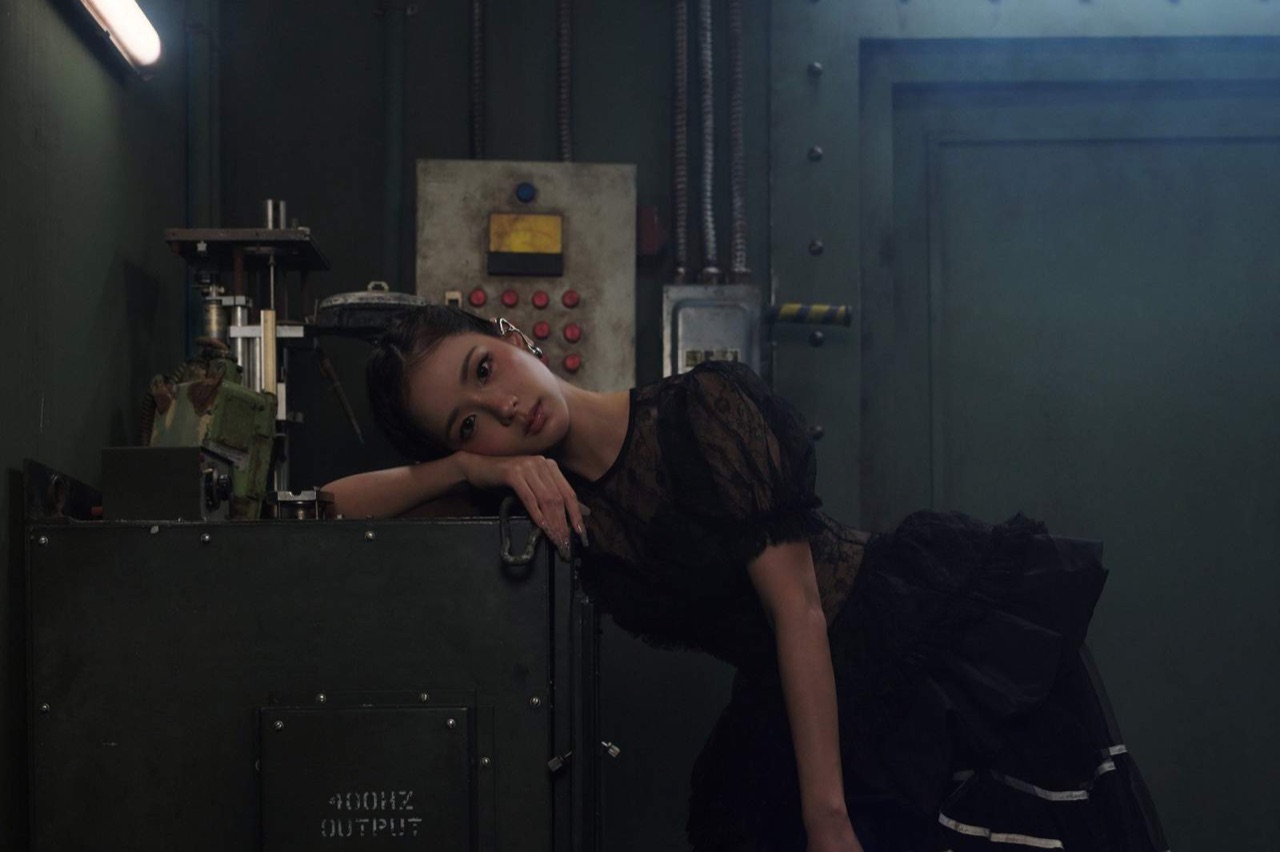
The industrial set of the ADDICTED visuals. Naming a set's mood — "dark machine room, green practical lights" — in your prompt gets you closer to the trend's look than naming the artist does.
V. Three prompts to start from
These are written for the mirror-solo format and a photo of yourself — adapt the wardrobe line to your photo:
1. The practice-room loop
"A young woman dances in a mirrored practice room, fixed medium-full shot, hip-hop and popping style choreography: sharp shoulder hits, a body wave, a clean spin into a deep lunge, eight counts that loop smoothly. Soft white overhead lighting, sneakers, casual outfit, natural body motion, stable face and hands."
2. The dark-stage version
"A performer in a black sequined outfit dances under moody stage lights in a dark industrial space, slow push-in from medium-full to medium shot, K-pop chorus choreography: wrist flicks, a hip sway, one sharp head whip on the beat. Green and white practical lights, haze in the air, camera stays steady, realistic anatomy."
3. The challenge cam
"Phone-camera framing from a slight high angle: a young woman performs a short dance challenge in a bright hallway, stepping forward on the beat, pointing at the camera on the accent, then a shoulder shimmy and a smile. Handheld feel with minimal shake, daylight, casual streetwear, natural motion throughout."
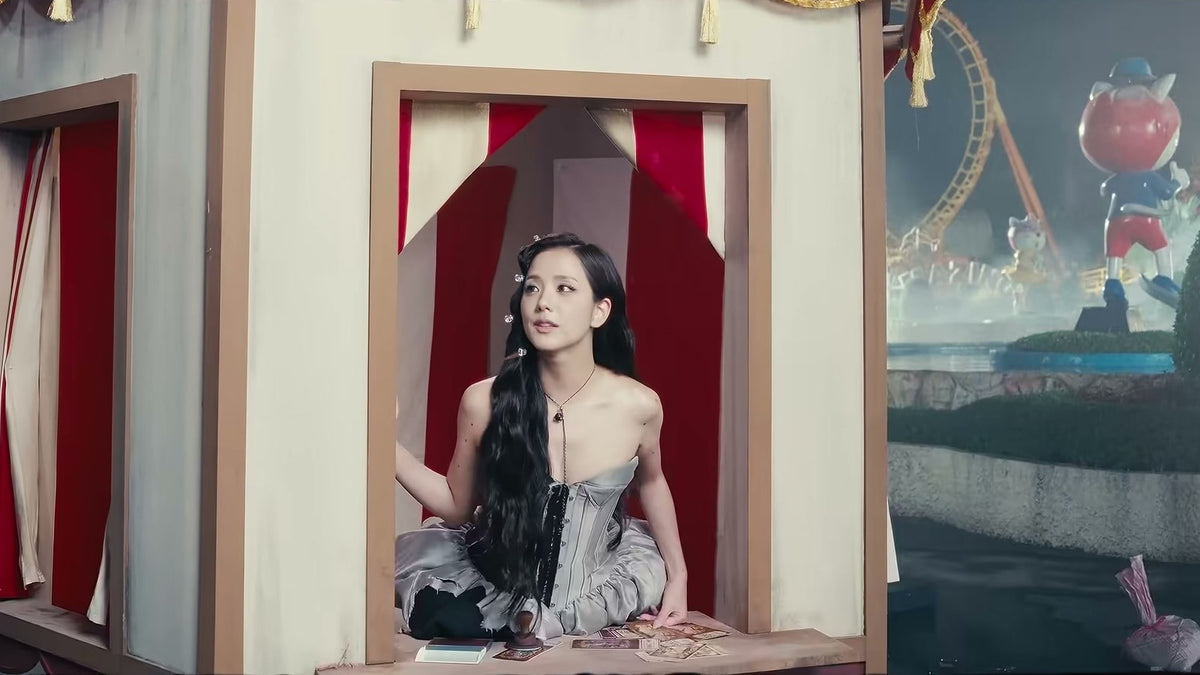
The ADDICTED visual world swings from machine rooms to carnival booths. When prompting, pick one mood per clip — blending both in a single take is how AI dance videos turn muddy.
VI. Five tips for better AI dance results
- Simplify the routine. Fast overlapping choreography is where hands and joints break. One clean eight-count beats a failed thirty-second routine.
- Lock the camera in words. "Fixed medium-full shot, no camera motion" removes the biggest source of wobble.
- Describe the wardrobe you actually have. The model blends the photo with your prompt; conflicting outfit descriptions cause flicker.
- Generate short, then extend. A stable six-second loop can be extended or edited together; an unstable long take cannot be repaired.
- Judge takes by hands and loop. Re-roll the failures instead of polishing a broken take — generation is the cheap part.
VII. The rules that keep your version online
The fastest way to kill a trending clip is to get it removed — or worse, to have the artist's fandom report it into oblivion. Four lines to respect:
- Be the dancer. Put yourself (or someone who agreed) in the video. Generating Jisoo's own likeness — or any real person's — without permission is impersonation, it violates every major platform's synthetic-media rules, and K-pop fandoms are exceptionally effective at reporting it.
- Ride the official sound. Add ADDICTED inside TikTok, Reels or Shorts from the platform's music library instead of baking the track into your file — that keeps you inside the licenses the platforms already negotiated, and inside the trend feed.
- Label it as AI. Turn on the platform's AI-content toggle. Undisclosed synthetic media is the specific thing these policies punish.
- Monetization needs real permission. Posting to the trend is one thing; running it as branded or monetized content needs the rightsholder's and choreographer's actual sign-off.
VIII. Frequently asked questions
What is the Jisoo Addicted AI trend?
The wave of AI-generated dance videos inspired by Jisoo's single ADDICTED (October 30, 2026) and its Leejung Lee choreography. Fans use photo-to-video tools to place themselves — usually from a single photo — into the formats the song spawned, like the mirror solo and the hallway duet.
Can I use my own photo?
Yes — and you should. The trend works because your face replaces the dancer's. Use a full-body, well-lit photo with a plain background. Generating Jisoo's likeness, or any real person's, without permission is what gets accounts banned.
Do I need to know how to dance?
No. The model generates the motion from your prompt and photo. You need a clear photo, a short choreography description, and two or three re-rolls of patience.
Which model makes the best Addicted-style video?
Any modern image-to-video model with solid motion coherence — on VidSeedance, Seedance 2.0/2.5, Veo 3 or Kling. Prioritize motion consistency over style presets, keep choreography simple, and favor five-to-eight-second clips.
Why does my video distort hands and joints?
Fast choreography with overlapping limbs is the hardest motion for video models. Simplify the routine, avoid hand close-ups, fix the camera at medium-full framing, and generate short loops.
Can I post it on TikTok, Reels or Shorts?
Generally yes, with three conditions: use the official ADDICTED sound in-app, enable the AI-generated content label, and make sure the dancer is you or someone who consented.
Is it free?
Tools vary — some offer trial credits, most charge per generation. On VidSeedance the credit cost is shown before you run and failed generations do not spend credits. Budget three to five attempts per polished clip.
Can I monetize my Addicted AI video?
Only with rights cleared: the song belongs to its rightsholder and the choreography to its creator. Fan trend videos ride the official sound; monetized or branded versions need actual permission.
IX. The bottom line
The Addicted AI trend is the clearest sign yet that dance content has become a photo-to-video genre: one photo in, a choreographed clip out, no camera and no dance studio. The format rewards simplicity — clean eight-counts, locked cameras, short loops — and the account that survives the trend is the one that puts itself in the video, rides the official sound, and labels the AI honestly.
The song is ten days old and the trend format is still forming. Whoever posts a clean, honest version this week is early; that window will not stay open long.
Your photo, one prompt, a K-pop-style dance clip — start with your own face and ride the trend the safe way.
About this post: published November 9, 2026. Facts about ADDICTED — release date, choreographer, performance video, chart and trending figures — come from the artist's official channels and public music-industry coverage; figures may shift as the story develops. VidSeedance is an independent platform, unaffiliated with BLISSOO, BLACKPINK or their agencies; nothing on this page is endorsed by them, and we do not support generating a real person's likeness without their permission. Jisoo, ADDICTED and related names are trademarks of their respective owners. Images are official promotional materials, credited to BLISSOO and reproduced for identification and commentary.